1. Isolate the space
The team closes the area, marks it off and keeps staff, tenants and visitors away until work is finished.
Wayne, WV · Wayne County
Sweeping or wiping fentanyl powder can lift it into the air. In Wayne, call (877) 812-4220 so a cleanup team can use controlled methods, protective gear and sealed disposal.
If anyone is in danger, call 911 first. For a suicide crisis, call or text 988.
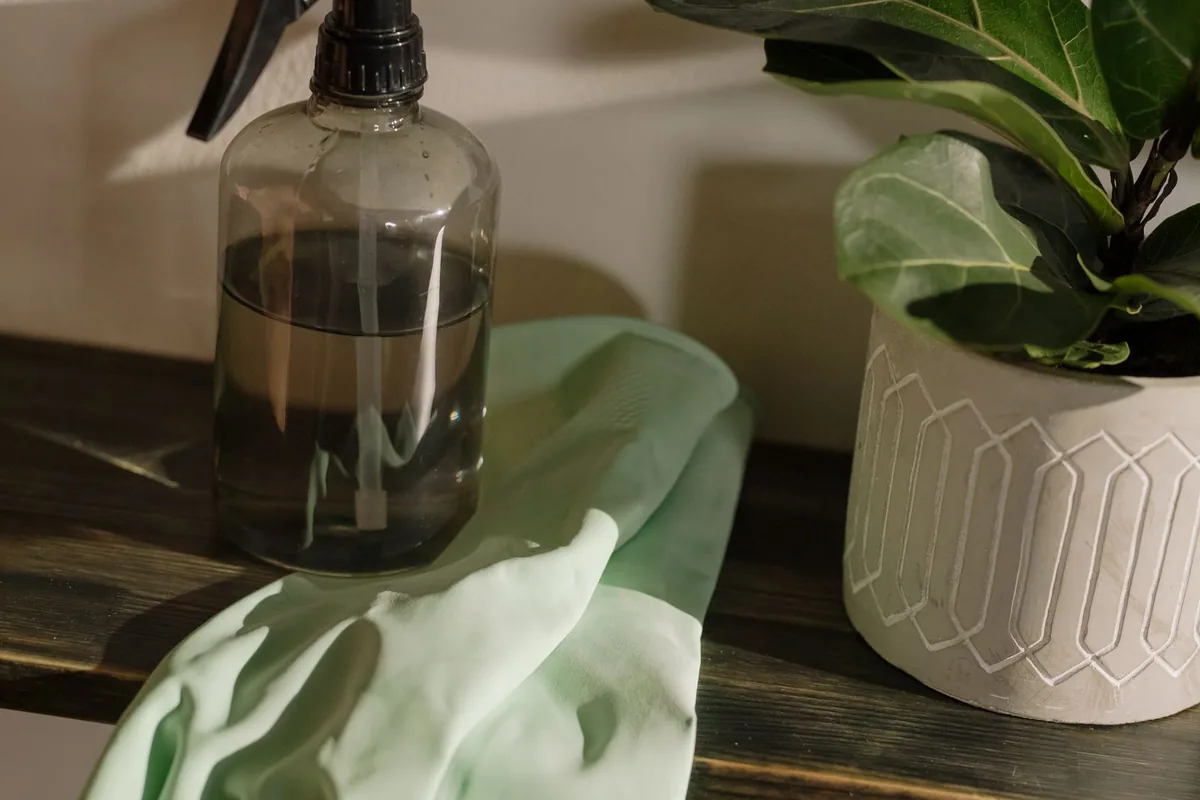
Opioid residue cleanup means treating powders, films and stains as hazardous until they are removed. The work starts with containing the area, not with scrubbing it.
Have questions about unknown powders, exposure risks and cleaning? Owners in Wayne can ask Wayne Biohazard Cleanup Help in a calm call with no judgment. You get help focused on making your space in Wayne County safe.
With about 54% of Wayne households renting, property managers are often the ones who find residue at move-out. If anyone cannot be woken or is breathing slowly, call 911. The nearest emergency room to Wayne is Cabell Huntington Hospital, Inc in Huntington, about 10 miles away.
Fentanyl Decontamination in Wayne usually includes:
The team closes the area, marks it off and keeps staff, tenants and visitors away until work is finished.
Seats, carpet, mats and bedding that hold residue may be removed and sealed.
Wipes, cloths and protective layers are swapped out so residue is not carried from room to room.
Sealed waste leaves the property, and the owner can request records of the cleanup.
Expect fentanyl decontamination in Wayne, WV to cost roughly $3,000 to $30,000, with the final price set after an on-site assessment.
Disposal of contaminated materials as hazardous waste is part of the price, and it changes with the amount and the rules that apply.
| Type of job | Typical range |
|---|---|
| Fentanyl cleanup | $3,000 - $20,000 |
| Fentanyl cleanup | $5,000 - $30,000+ |
Published ranges only (Biohazard cleanup company pricing guide); every fentanyl decontamination job in Wayne is priced after an on-site look. Price drivers include area affected, testing before and after, protective gear and disposal, materials that must be removed. Questions? Call (877) 812-4220.
Vehicles are small, closed spaces, so residue can build up on seats, carpets and vents. Crews use the same careful methods as in a building, and soft materials may need to be removed. Ask whether the team cleans vehicles and how soft materials are treated.
It can. Clothing, bedding, bags and furniture in an affected space may carry powder. Do not shake them out. A team can advise on what to bag, clean or discard.
A careful cleanup removes the residue it covers, and a final inspection checks the work. Rules for testing vary by place. Ask the team what was done and what was not checked, and ask the local health department what applies.
No. This page explains how fentanyl decontamination works. It is not medical, legal or insurance advice. For symptoms, contact a doctor or Poison Control, and for questions about what must be reported, ask an attorney or the local health department.
A small room or vehicle can take a day or less, while a house or a space with a lot of soft material takes longer. Containment, cleaning and disposal each take time. A team can give a realistic idea once it hears the details.
Contaminated materials are sealed in labeled containers and hauled away. Rules vary by location, and some waste may need special handling. Ask the team how its waste is hauled and disposed of, and ask for records at the end of the job.
Ask about discreet arrival in an unmarked vehicle if privacy matters.
Call (877) 812-4220